
Fairfax County communities we serve
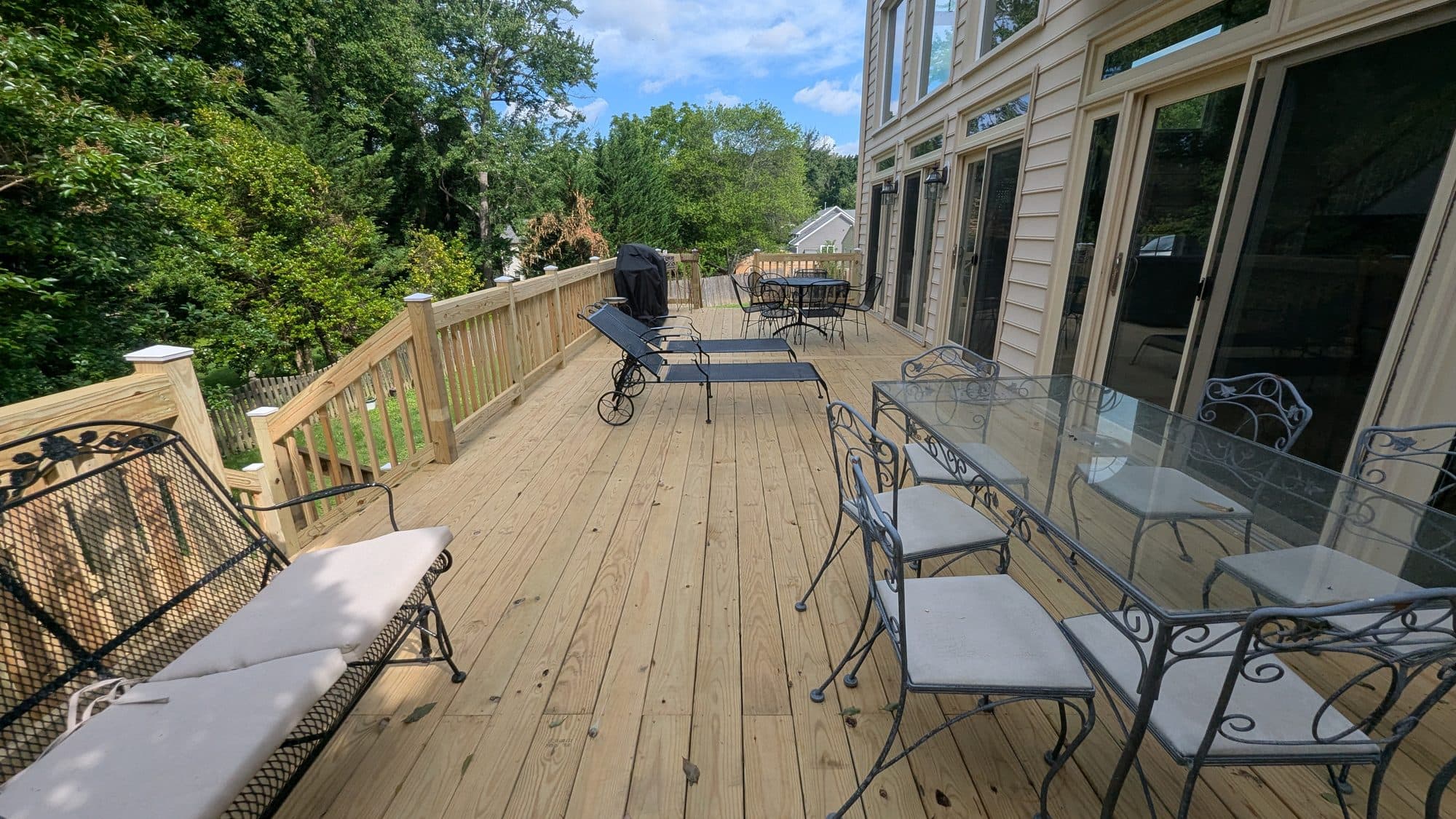
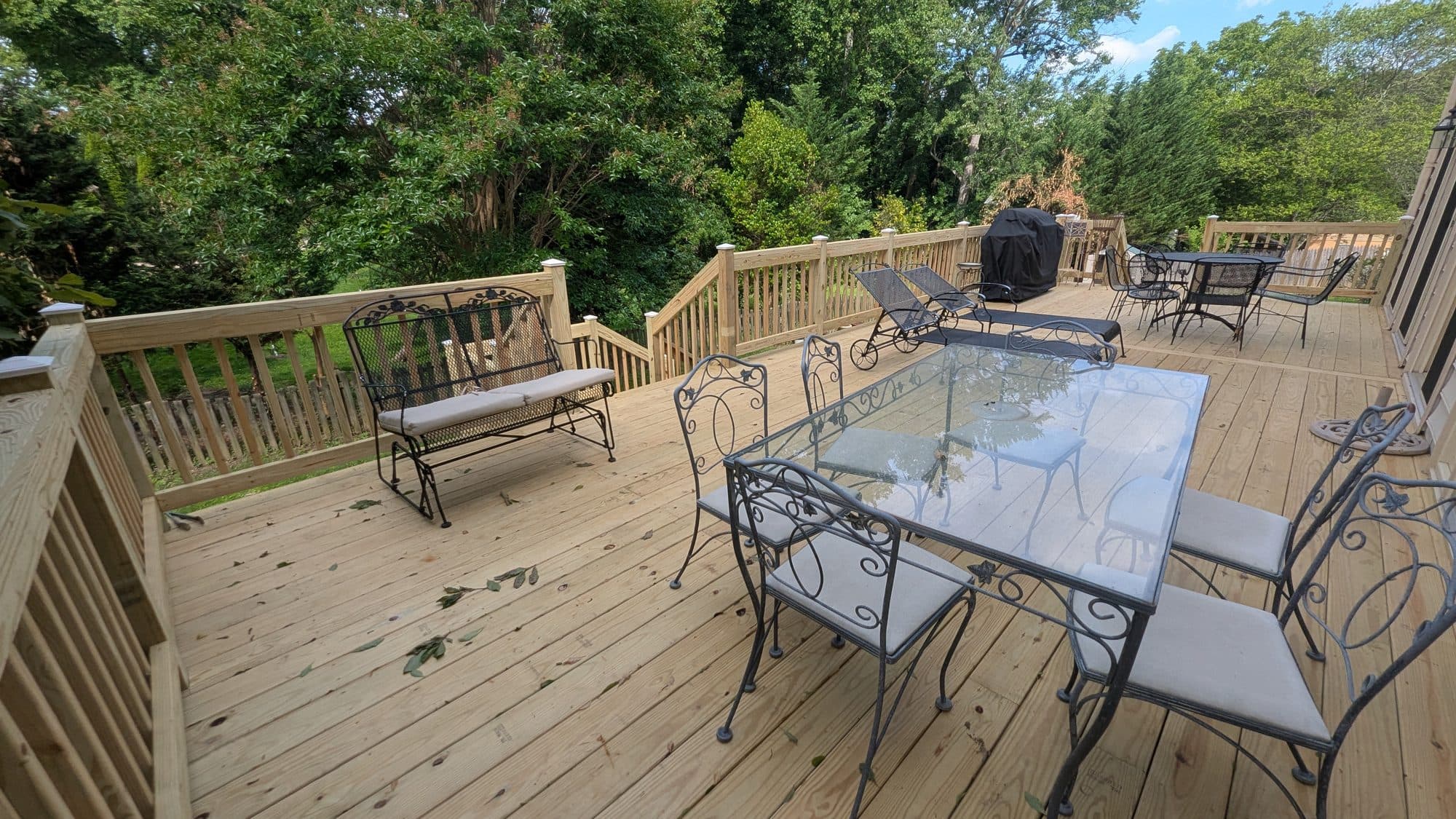
Herndon, Reston, Vienna, Great Falls, McLean, Oakton, Chantilly and Centreville are all in Fairfax County. Herndon and Vienna are incorporated towns; the others are unincorporated communities where Fairfax County handles permits directly. Deck Defenders is based in Herndon, and the Oakton deck and Herndon screened-in porch on this site were built here.
Who issues your deck permit
- Reston, Great Falls, McLean, Oakton, Chantilly, Centreville: Fairfax County Land Development Services (LDS).
- Town of Herndon: the Town's Building Inspections office. Its permit page says a building permit is required for all decks, and the Town publishes its own standard deck construction details.
- Town of Vienna: Fairfax County is the building official, but new or modified decks also need Town of Vienna zoning review. Vienna's instructions are to apply to the County first, then to the Town with the County permit number.
Mailing addresses don't always match jurisdiction. Many homes with a Herndon mailing address, including the 20171 ZIP code, are outside the town limits and are permitted by the County alone. Check your property's jurisdiction before assuming which office applies; we confirm it as part of the scope.
When Fairfax County requires a deck permit
Fairfax County's building official put it plainly in a Fairfax County NewsCenter article on deck safety: before building a new deck or replacing an existing one, building permits are required. The county's Land Development Services Decks page describes a residential addition building permit for building a deck or altering an existing one, and the county's "when a permit is required" page lists decks among new additions to an existing home. Small repairs are less clear-cut: Virginia's statewide building code lets the local building official treat some work as minor, ordinary repair. For a repair scope, we confirm with the County (or the Town) for your specific project.
Skipping the permit isn't a shortcut. Fairfax County's Department of Code Compliance says it issues a Notice of Violation for unpermitted deck work, requiring permits and inspections or removal, and may ask the courts to impose fines.
The Typical Deck Details handout
Fairfax County publishes Typical Deck Details, a handout based on the 2021 Virginia Residential Code (version 2021.0, dated January 5, 2024). It applies to residential, single-level decks only, and its details can't be changed without prior county approval. It's the most useful single document for understanding what a code-built deck in Fairfax looks like: 24-inch footings, a flashed and bolted ledger, 36-inch guards and Virginia's stair dimensions. Our guide explains it section by section.
Three inspections
- Footing: holes dug and the ledger board attached, before concrete. Inspectors verify the footing bears on solid ground.
- Framing: posts, beams and joists installed, before decking. The handout allows this inspection to be omitted if the bottom of the joists is more than 48 inches above grade and all connections are visible at final.
- Final: the finished deck. The approved plat and plans must be on site.
Fairfax County building inspections can be reached at 703-222-0801, and inspections are scheduled through the county's PLUS system, by phone, or in person at the Herrity Building.